
Founded in 1885, the McGaw YMCA is committed to learning from our past, listening to our present, and making changes that will create a feeling of being welcome for generations to come.
The YMCA was founded in London, England, in 1844 as the Young Men’s Christian Association, with the mission of helping young men develop character and navigate the challenging social conditions of the era. The YMCA Movement reached the United States in 1851, during a period of legalized segregation, and initially served only young white men. By the early 1900s, YMCA programs had expanded to include white boys and older white men. Following World War I, the YMCA of the USA (Y-USA) directed local YMCAs to further expand their programs and eventually memberships to include white women and girls.
In the 1940s, Y-USA began advocating for the desegregation of its facilities nationwide, though many YMCAs remained segregated, including the Evanston YMCA. In 1967, Y-USA formally banned racial discrimination in all YMCA locations, a change that coincided with the role many Black YMCAs were playing as meeting places and rallying points for the Civil Rights Movement. This landmark decision ultimately paved the way for the inclusion of Black, Indigenous, and People of Color in all YMCA programs and membership across the country.
In recent decades, the YMCA has continued to address national and global challenges while focusing on strengthening communities, promoting healthy living, and supporting youth development. Today, it serves over 10,000 neighborhoods in the U.S. and has grown into one of the world’s largest volunteer organizations, reaching more than 65 million people annually across 120 countries. With around 12,000 branches worldwide, the YMCA leverages deep community roots, decades of experience, and a vast global network to empower individuals and strengthen communities everywhere.
The History of the YMCA in Evanston
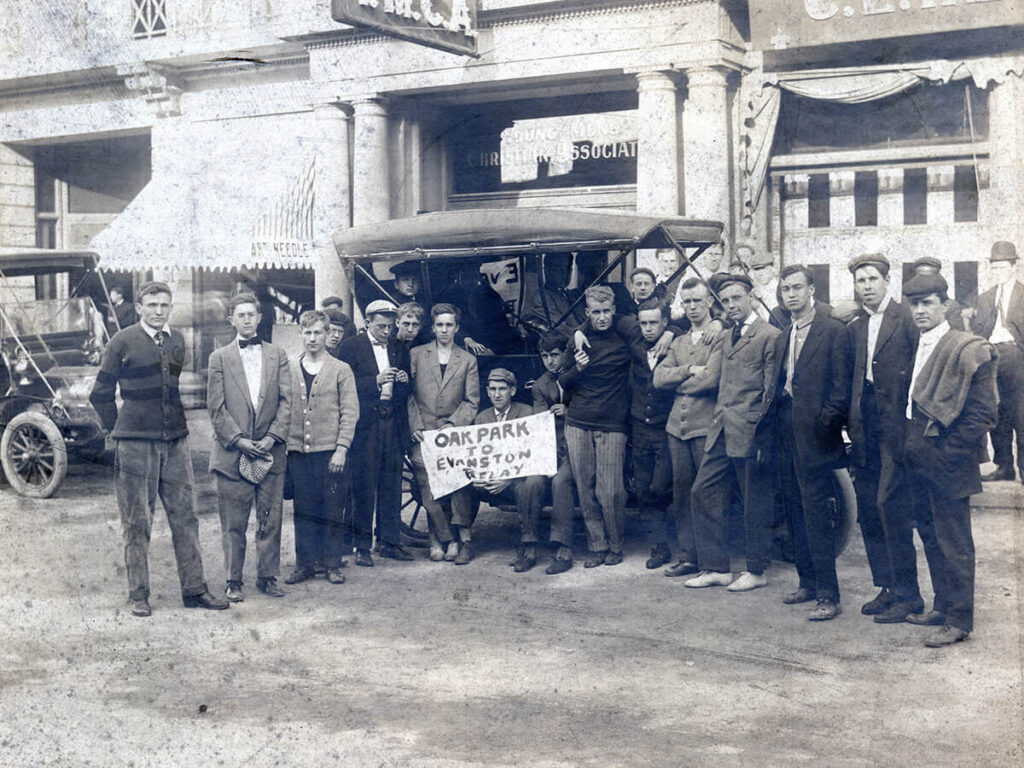
The Evanston YMCA, known today as McGaw YMCA, was founded on November 17, 1885, as a space for young white men with a mission to promote “mental, moral, physical, and social welfare.” Its first home was Jennings Hall in the Rink Building at the corner of Davis Street and Chicago Avenue. In 1893, it relocated to the Blocks Building at 1576 Sherman Avenue, and five years later moved again to 1611 Orrington Avenue. This facility, known as the Central Y, featured a swimming pool, gymnasium, classrooms, and vocational training spaces, along with short-term housing. Members could take classes in subjects such as electricity, photography, shorthand, manual training, and commercial law.
By the early 20th century, the Evanston YMCA had grown into several neighborhood branches, but this expansion reflected—and reinforced—the racial segregation of the era. In 1911, the North End YMCA Branch opened in the Central Street (later Covenant) Methodist Church and was later renamed the Central Branch. At the time, these branches served only to white residents, with limited weekend access to the Central Y’s gym and pool for white servicemen.
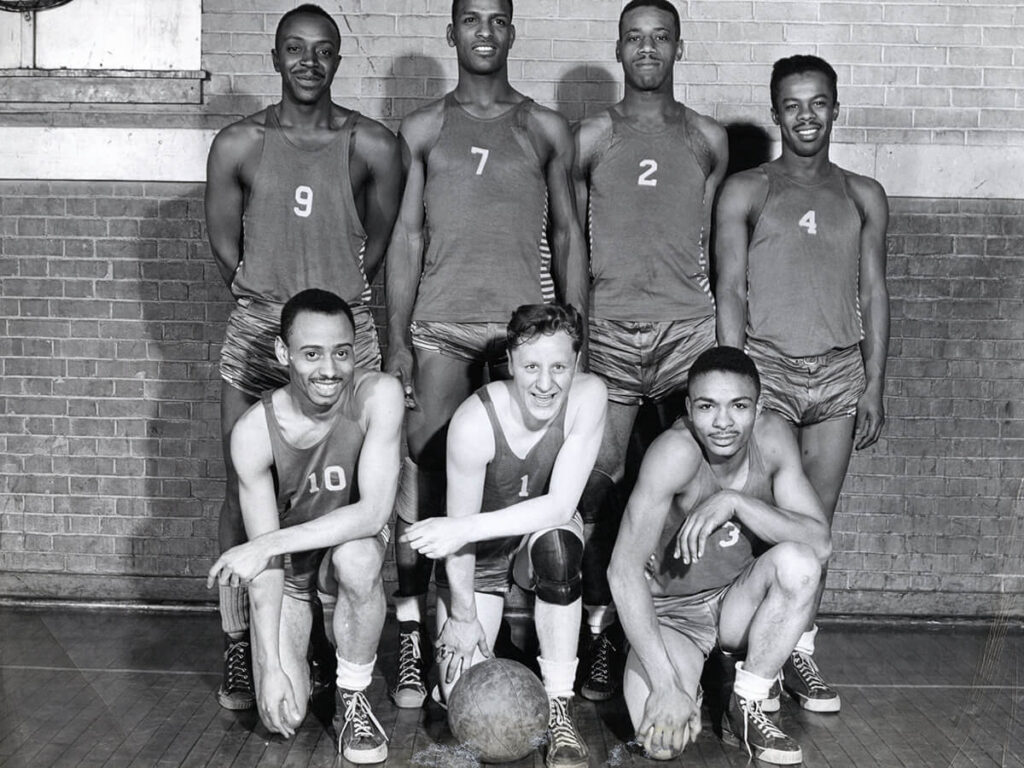
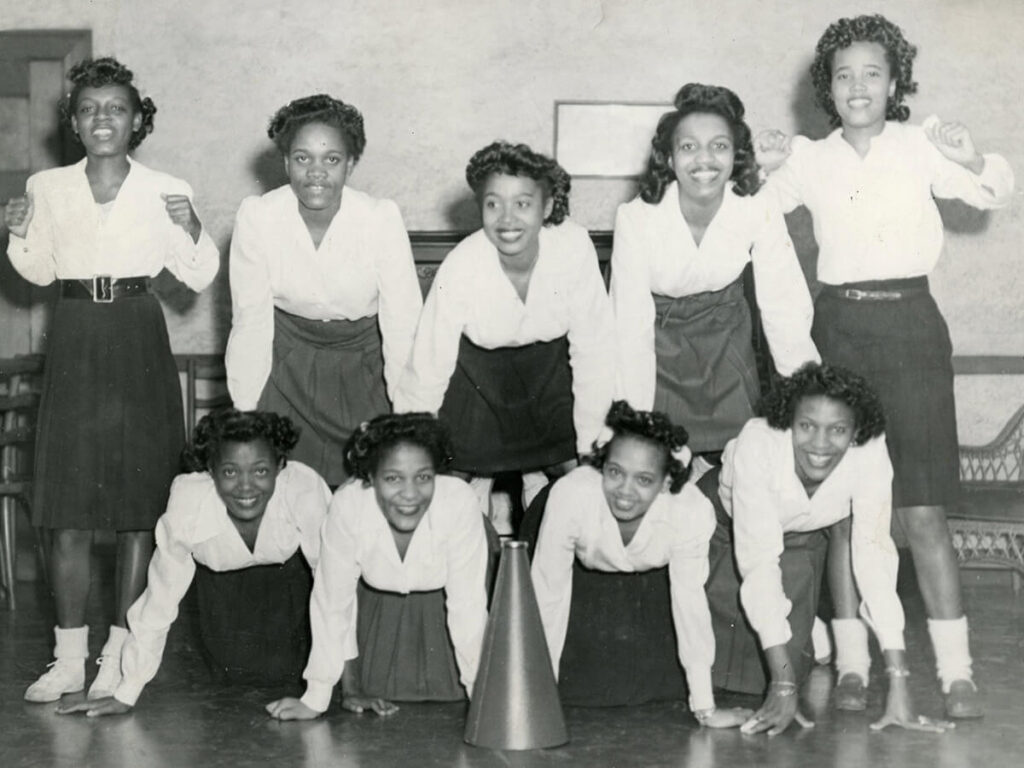
In 1908, Rev. James Rayford Talley challenged this exclusion by petitioning the Evanston YMCA’s leadership to allow Black youth to participate in its programs. When his request was denied, Talley joined with other local leaders and volunteers to organize activities for young Black men. Their efforts soon gained crucial support from Evanston philanthropist Dr. Dwight J. Harris and William A. Hunton, International Secretary of Colored YMCA Work, who helped lay the groundwork for what became the Emerson Street Branch YMCA. Founded in 1914, the Emerson Street Y emerged as a powerful center of community, culture, and connection, providing opportunities for fitness, youth development, and civic engagement that were systematically denied elsewhere in the city.
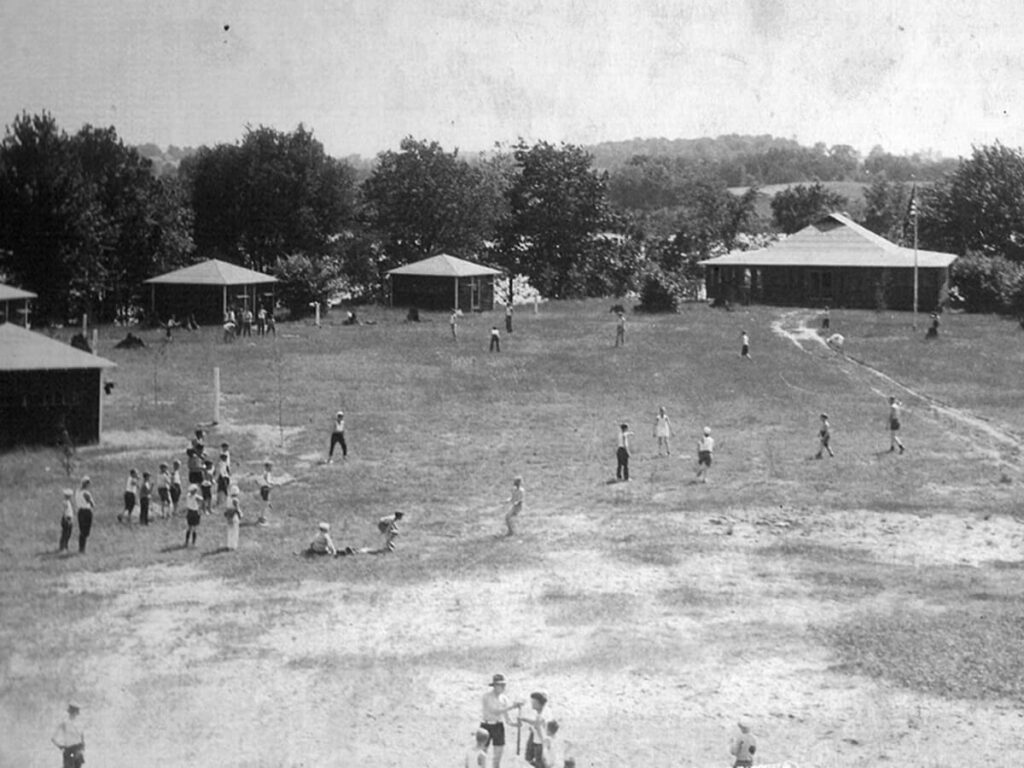
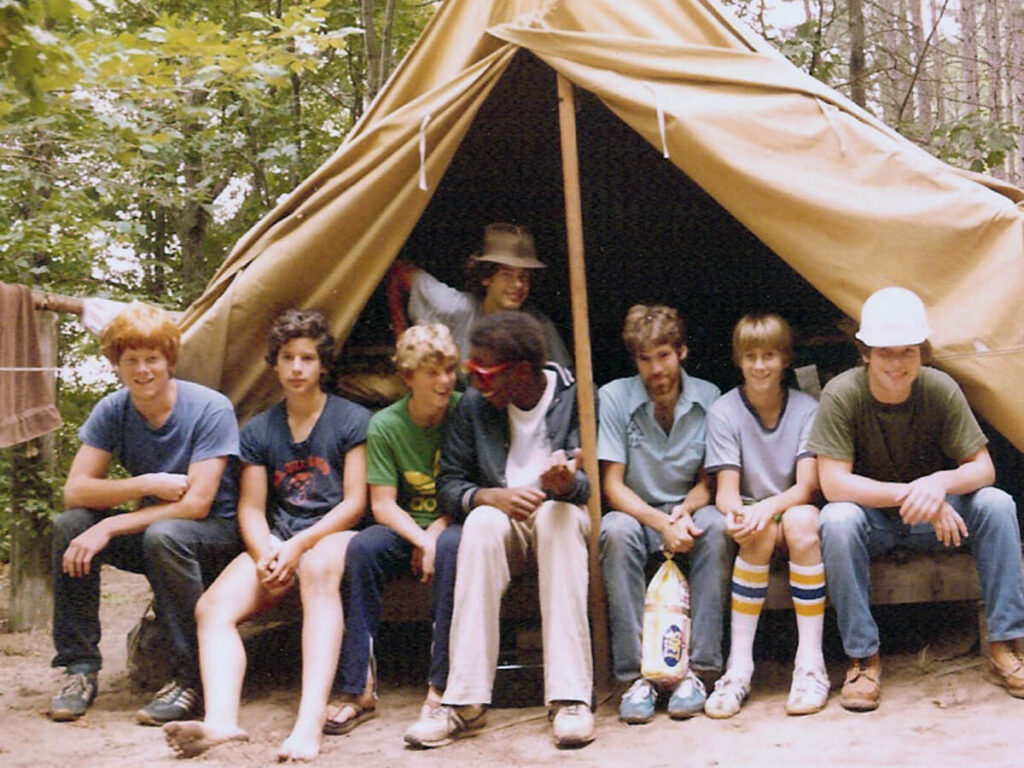
A decade later, in 1924, the Evanston YMCA expanded its reach again with the founding of Camp Echo in Fremont, Michigan, creating a permanent home for its overnight camp program that had begun in 1902.
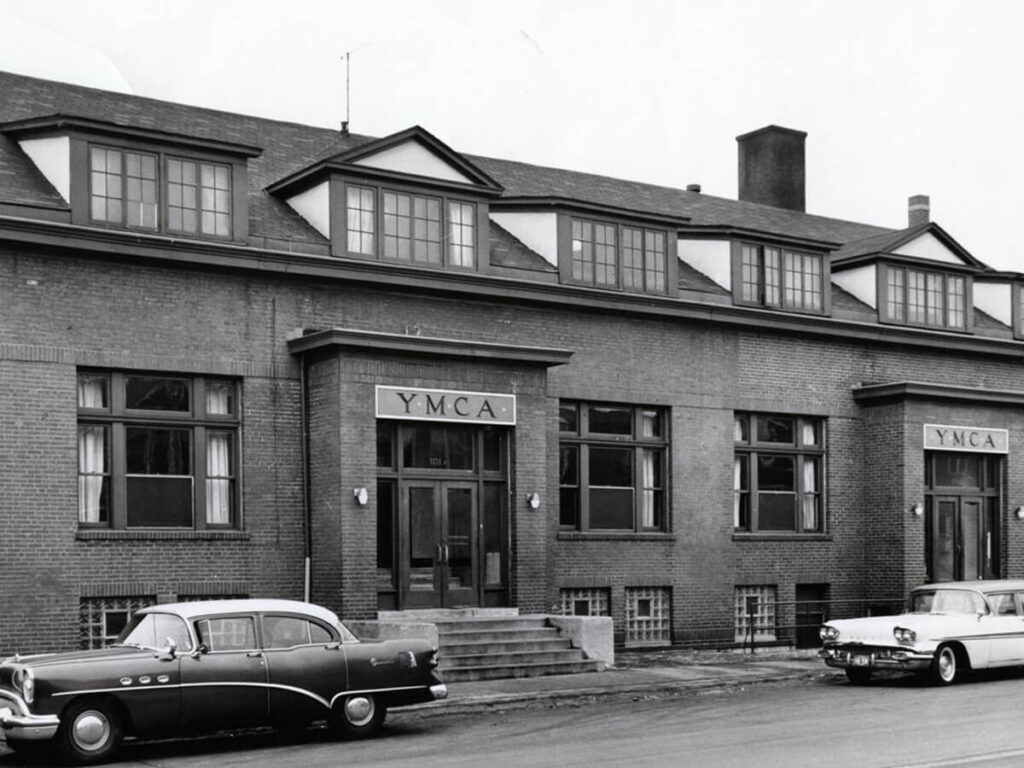
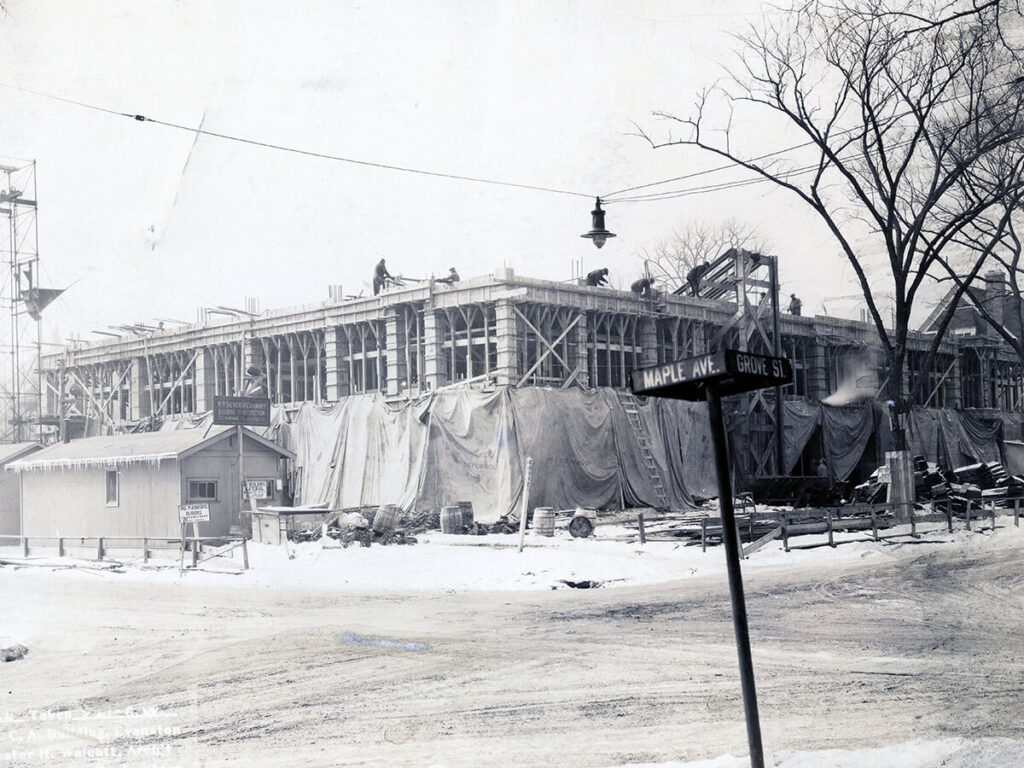
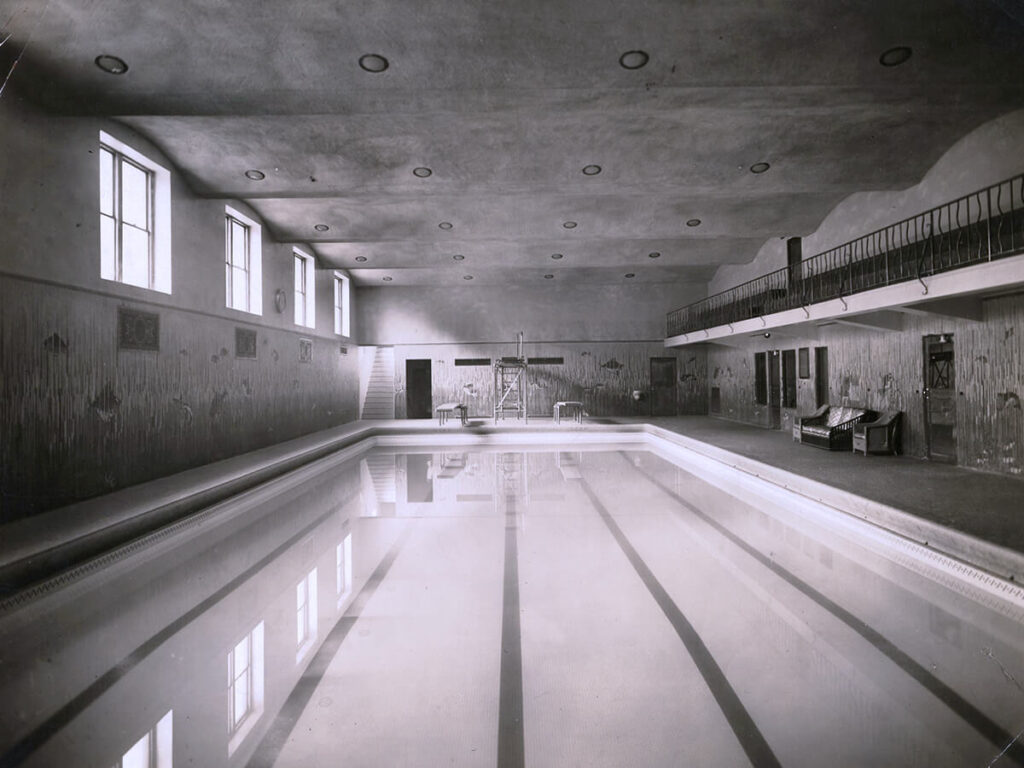
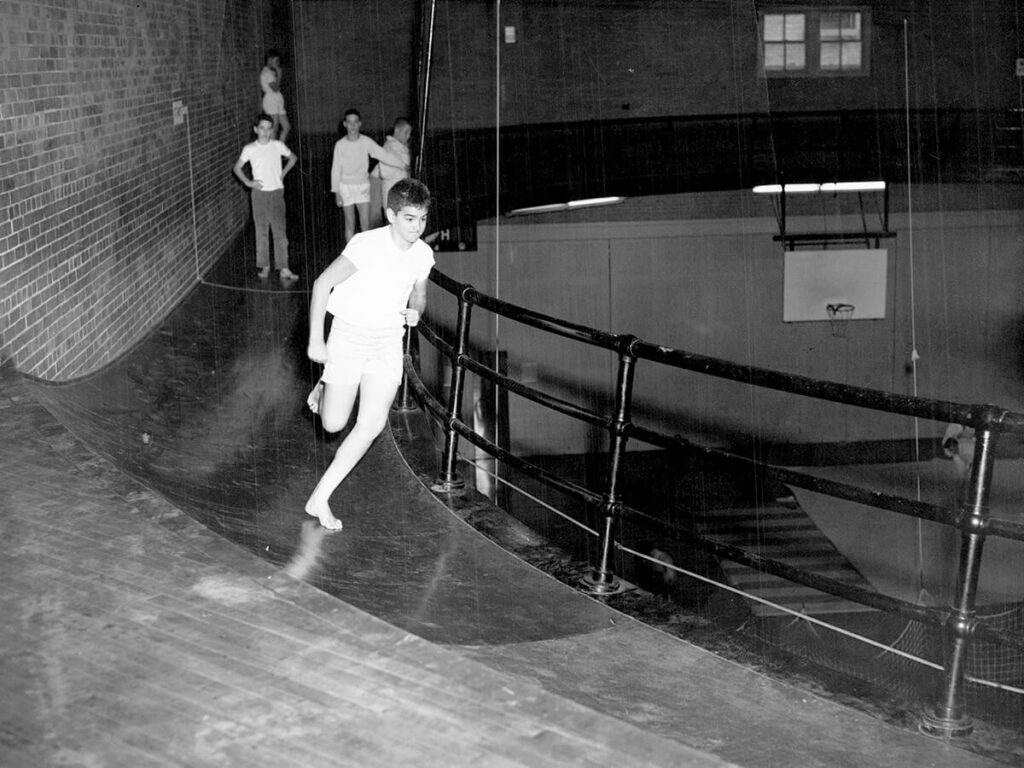
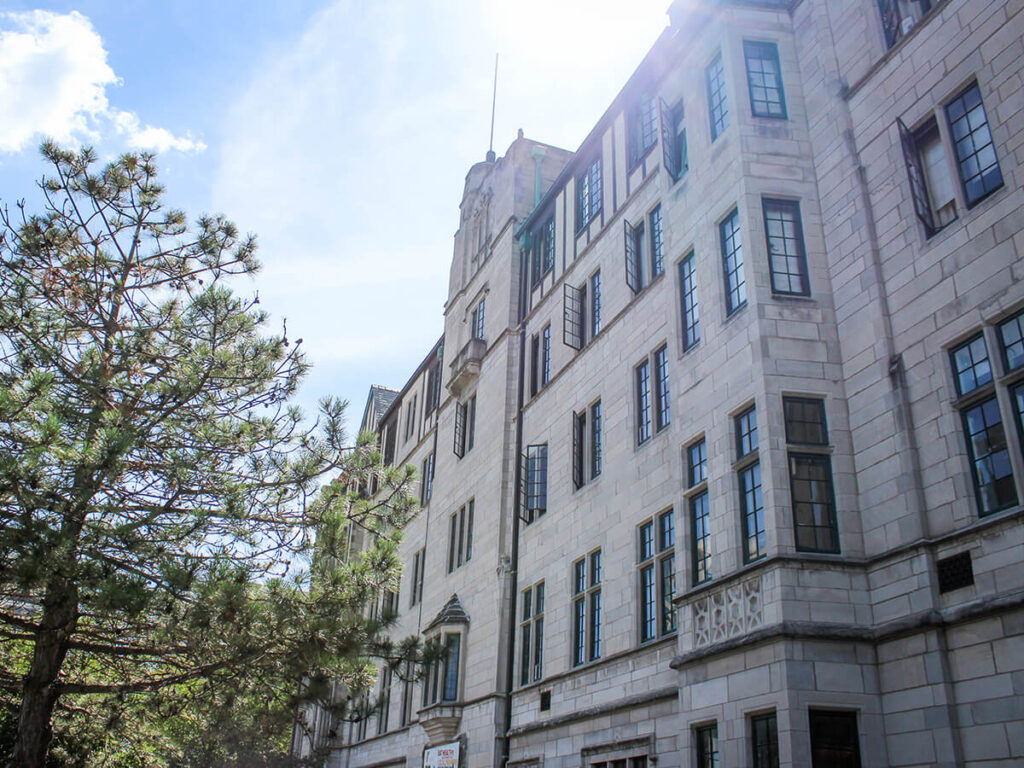
The growing demands of accommodating both regular members and servicemen soon strained the Central Y’s physical capacity. To address this, a committee was formed to plan a larger Central Y, and on May 20, 1929, the cornerstone was laid for a new facility at Maple Avenue and Grove Street—the current site of McGaw YMCA. When the building opened on January 1, 1930, it was named the Grove Street Branch YMCA. The new, 238-room building had two gymnasiums, exercise rooms, a 75-foot swimming pool, handball and squash courts, and a self-service grill. The Evanston Y's housing program, known today as the Men’s Residence, also grew to offer more rooms, long-term stays, and eventually case management and supportive services.
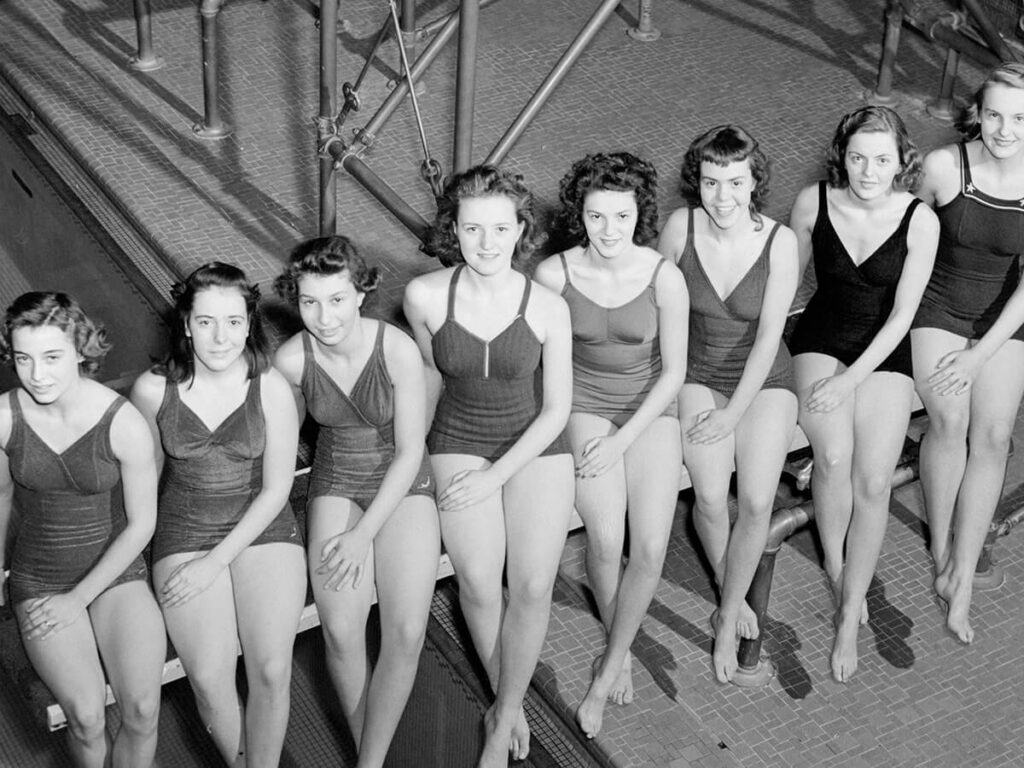
Around this time, following guidance from YMCA of the USA, the Grove Street Branch expanded its programs to include white women and girls, granting them full access to all Y activities for the first time. It would take another three decades, however, before similar inclusion extended to Black, Indigenous, and other People of Color.
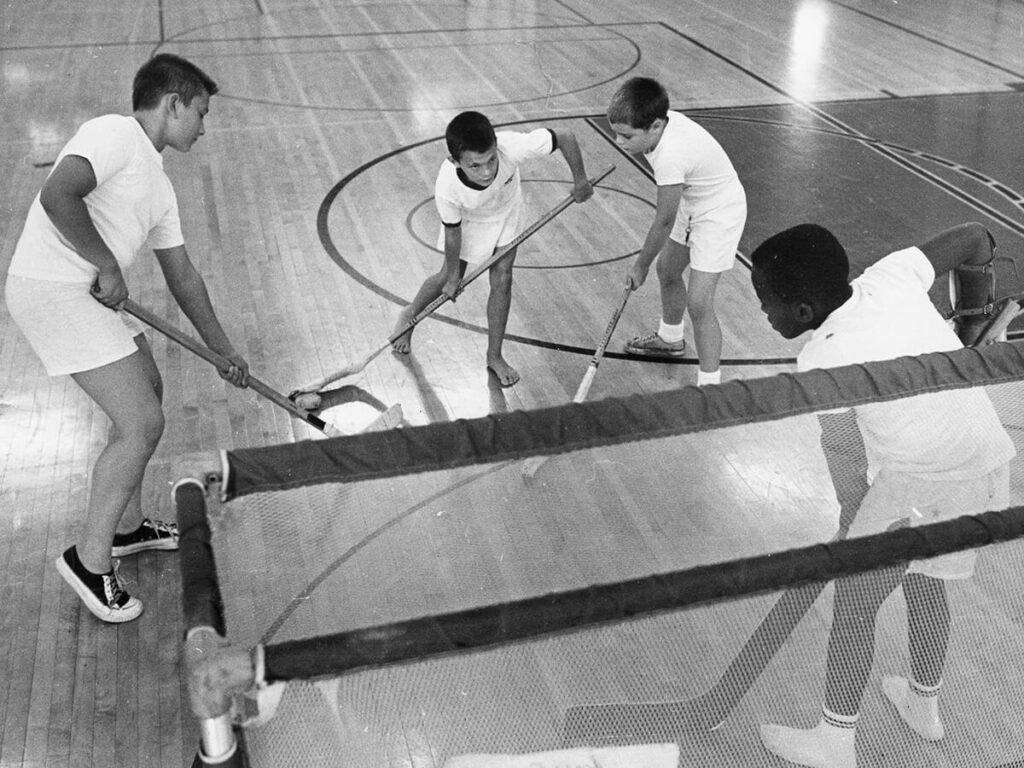
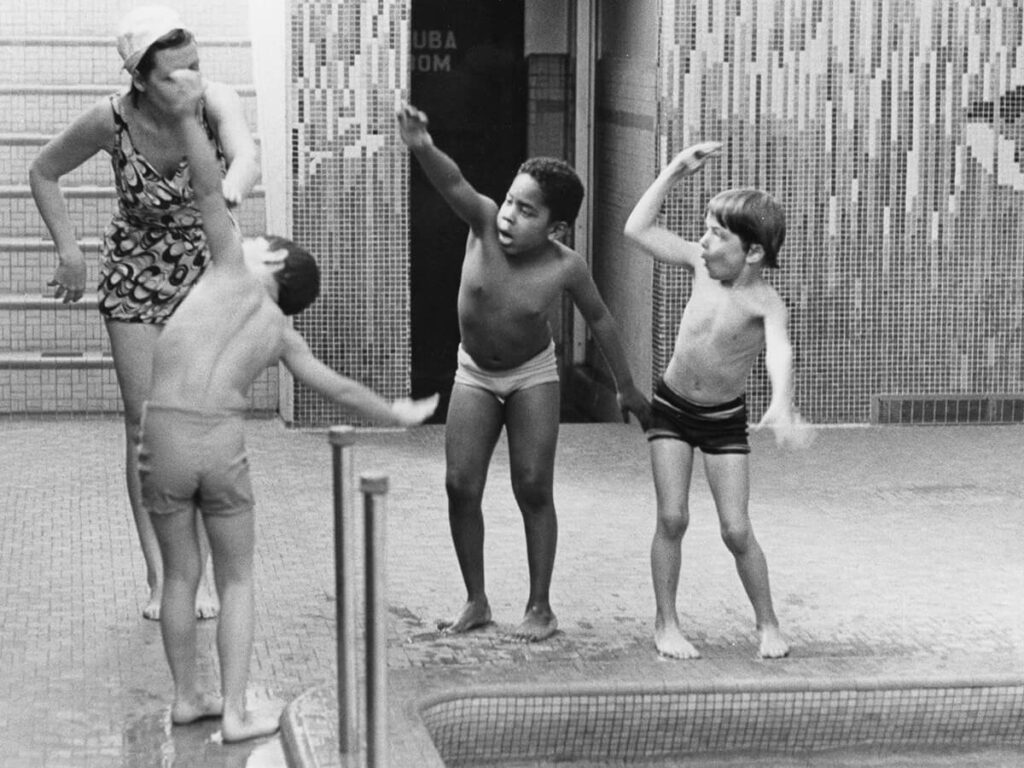
In 1963, as part of Y-USA’s nationwide desegregation efforts, the Grove Street Branch integrated its facilities and opened membership and programs to all. While this ended formal segregation within the Evanston YMCA, it also led to the eventual closure of the Emerson Street Branch in 1969, which left a sense of profound loss for Black people in Evanston who created a deep sense of community, culture, and connection at the Emerson Street YMCA.
McGaw YMCA
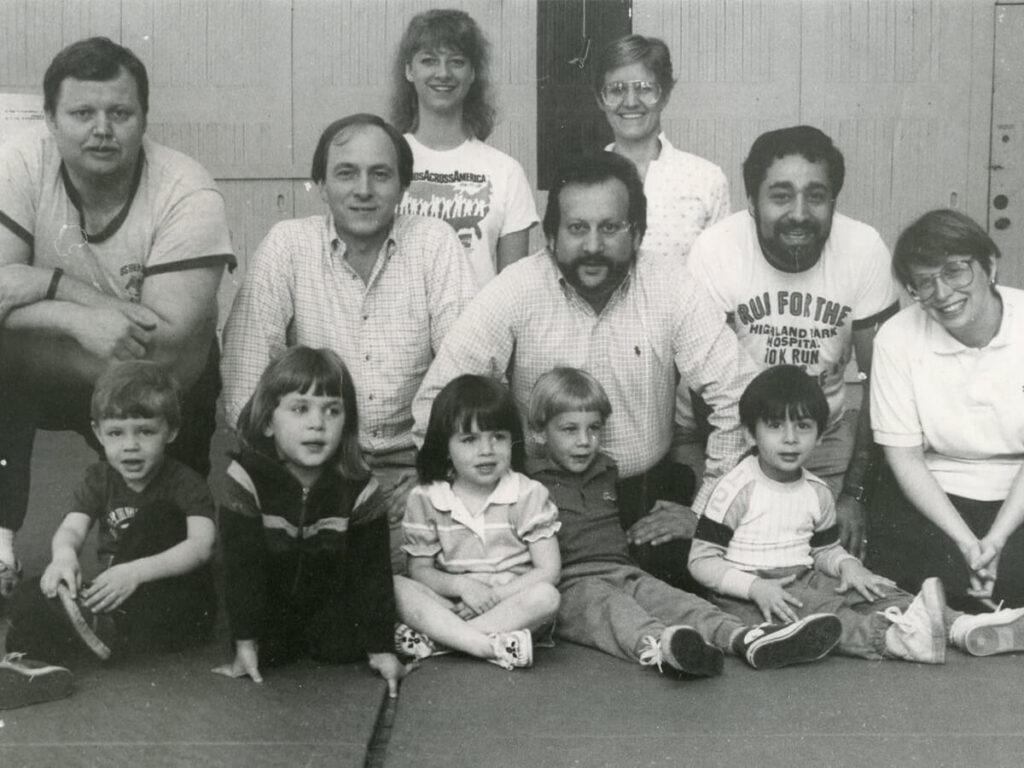
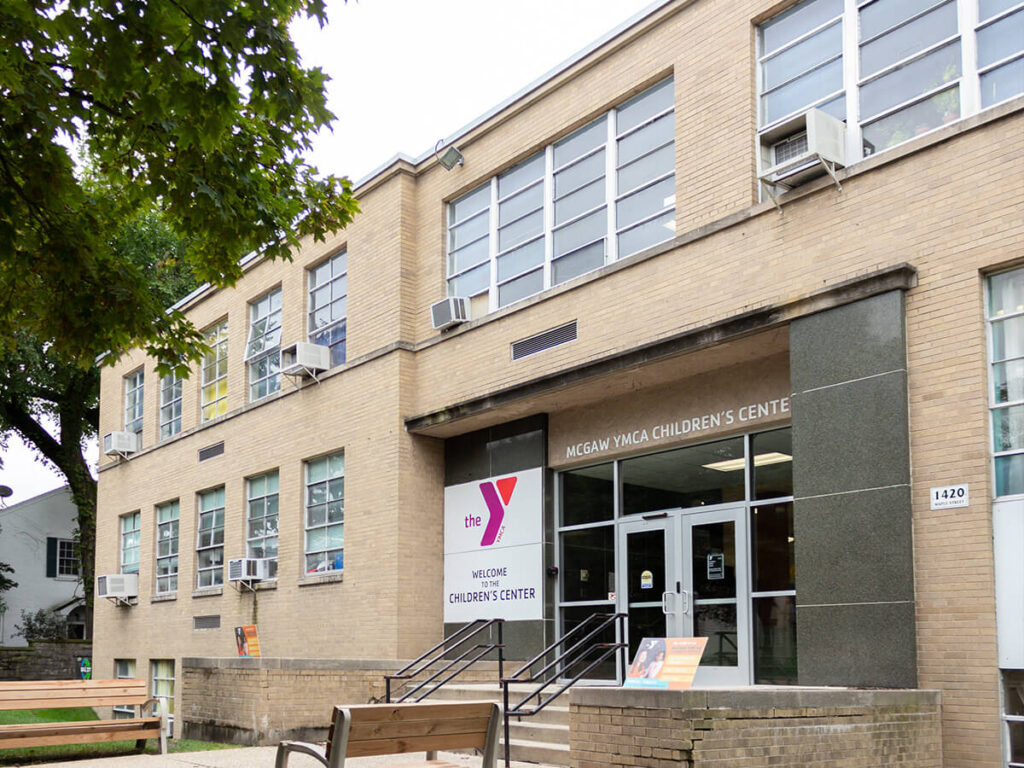
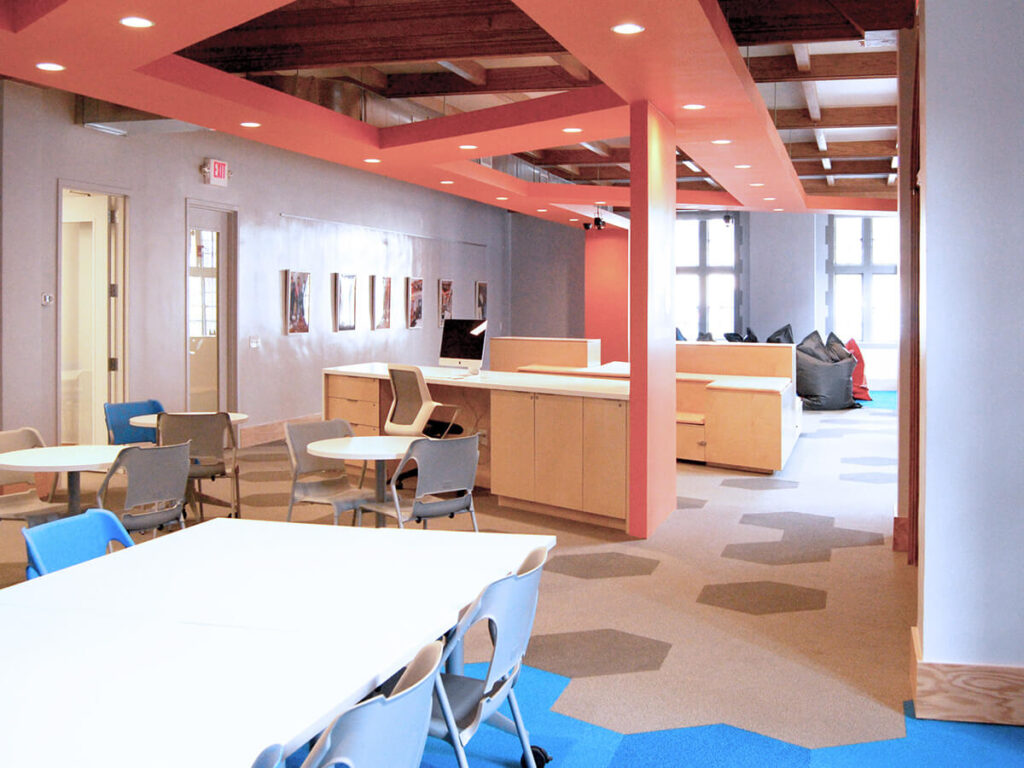
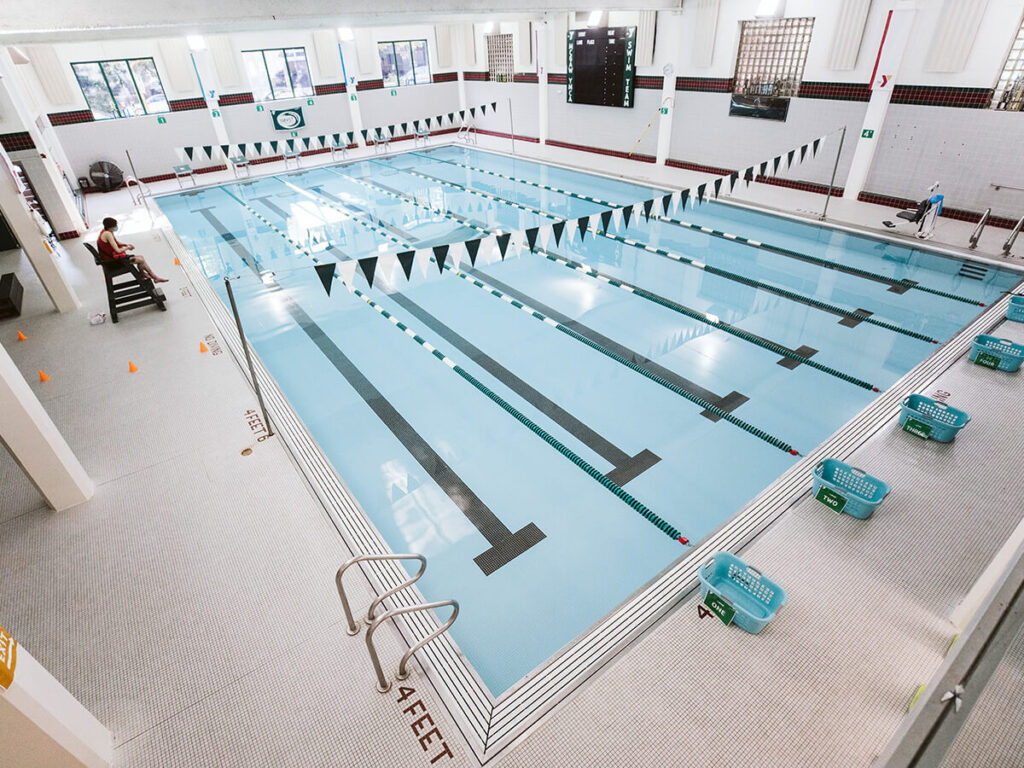
In 1984, Evanston YMCA’s Grove Street Branch was renamed the McGaw YMCA. Three years later, the McGaw YMCA Children’s Center opened in the St. Mary Parish building on Maple Avenue and Lake Street, offering year-round early learning programs for infants through preschool, along with its School’s Out afterschool program. In 1994, the Grimm Family Aquatic Center was added to the main facility, introducing a six-lane pool alongside the original four-lane pool. This was followed in 2002 by the Sebring-Lewis Center, a 30,000-square-foot expansion that introduced a new gymnasium, indoor running track, and multi-purpose spaces. Continuing its tradition of innovation, McGaw YMCA introduced MetaMedia in 2015, an innovative digital media and maker space designed for middle school youth. Today, a campaign is underway to renovate the historic Men’s Residence.
While Evanston prides itself on being a racially and ethnically diverse city, that diversity remains unevenly distributed across neighborhoods, reflecting the lasting impact of the social, systemic, and structural factors that control access to services and resources. Against this backdrop, the McGaw YMCA continues to evolve, honoring its complex past while striving to provide equitable access to programs and services that transform lives, build connections, and create opportunities for people of all ages and backgrounds.
Timeline of the YMCA in Evanston
YMCA Founded in London
The YMCA was founded in London, England, in 1844 as the Young Men’s Christian Association to help young men develop character and avoid the unhealthy social conditions of the times. The YMCA Movement reached the United States in 1851 during an era of legalized segregation and was open to young white men.
Evanston YMCA Founded
The Evanston YMCA, known today as McGaw YMCA, was founded in 1885 and open to young white men with a mission to “promote mental, moral, physical and social welfare.” The original building was located at the corner of Davis Street and Chicago Avenue.
Evanston YMCA Moves to Orrington Ave.
In 1898, the Evanston YMCA moved to a site at 1611 Orrington Avenue that had a pool, gymnasium, classrooms, and space for vocational training programs as well as rooms that provided short-term housing options for white men. Y members were offered classes in electricity, photography, shorthand, manual training, and commercial law.
Emerson Street Branch YMCA Opens
The Emerson Street YMCA opened its doors on July 5, 1914, and would serve as a beloved hub for social and civic life for Black Evanstonians for 60 years. Over the years, the Emerson Street Y programs would include something for everyone, from family events to chess matches to dances, musical concerts, team sports, clubs, and swim lessons. The Emerson Street Y was the only location for short-term stays for Black men visiting in Evanston. By 1929, the Emerson Y expanded its housing program to include 19 dorm rooms for Black men who were students at Northwestern University.
Camp Echo Founded
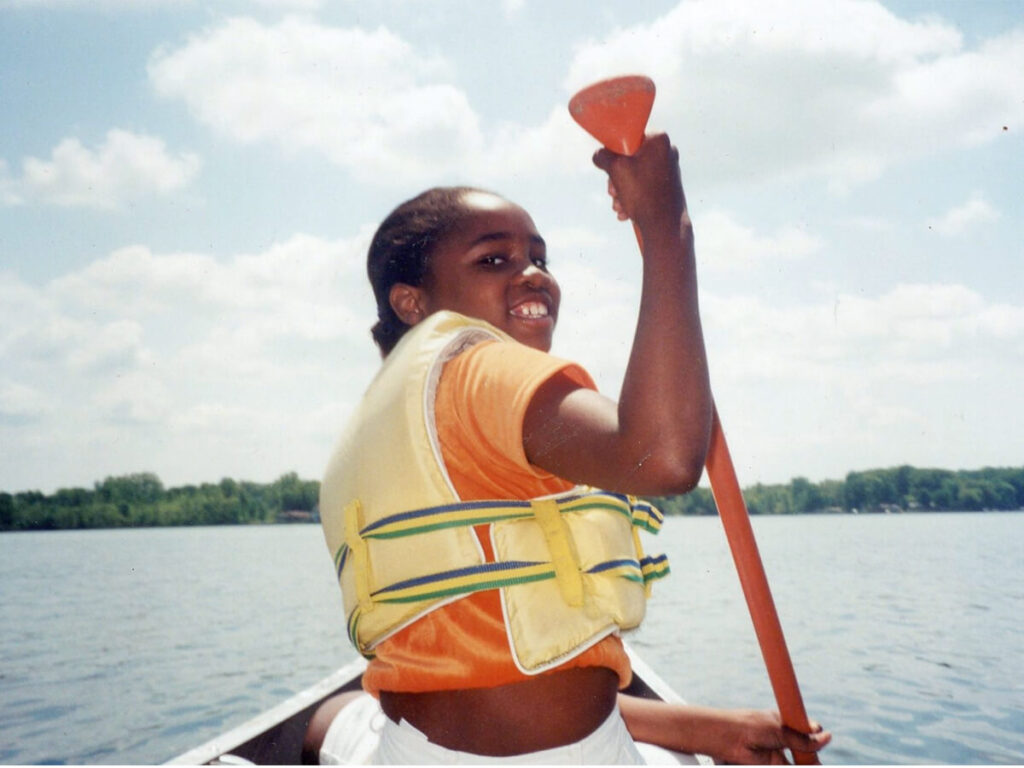
The history of camping programs at the McGaw YMCA can be traced to 1899, and camps for Evanston youth were soon held at Camp Hope, now known as Camp Phantom Lake, near Milwaukee, Wisconsin. In 1902, the Evanston YMCA began its own camp program along the shores of Black Lake in Michigan, eventually moving to White Lake, Michigan in 1905, and then to Bear Lake, Michigan in 1906. The Y embarked on a search for a more permanent location in the early 1920s and found a peninsula at the south end of Ryerson Long Lake in Fremont, Michigan. McGaw YMCA Camp Echo was founded in 1924 at the site, and the beautiful, wooded peninsula at Ryerson Long Lake became home to summer camp.
Evanston YMCA Moves to 1000 Grove St.; Becomes Grove St. Branch
In 1930, the Evanston YMCA moved to its current location at 1000 Grove Street, where it became known as the Grove Street Branch YMCA. At the Grove Street Y building, the Men’s Residence program grew to include more rooms and long-term stay options, and eventually, case management and supportive services.
Emerson Street Y Doubles Building; Expands Housing
In 1929, the Emerson Street Branch YMCA was expanded, doubling the size of the original building and adding a new swimming pool. The Emerson Street Y was the only location for short-term stays for Black men visiting in Evanston. By 1929, the Emerson Y expanded its housing program to include 19 dorm rooms with a total of 22 beds for Black men who were students at Northwestern University. Many Black male students lived in these rooms over the next several decades, until Northwestern desegregated its dormitories in the 1960s.
Grove Street Y Programs Expanded to White Women and Girls
In the 1930s, the Grove Street Y would follow the direction of the YMCA of the USA and expand its programs and eventually its membership to include white women and girls.
Grove Street Branch Integrates Facilities
In 1963, the Grove Street Branch YMCA integrated its facilities following the Y-USA’s desegregation efforts across the country, leading to the inclusion of Black, Indigenous, and People of Color in the Grove Street Branch Y programs and membership.
Emerson Street Branch Closed
The desegregation of the Grove Street Branch YMCA symbolized an end to segregation within the Y facilities, but also led to the eventual closing of the Emerson Street Branch Y in 1969, which left a sense of profound loss for Black people in Evanston who built a deep sense of community at the Emerson Street YMCA. While Evanston is a racially and ethnically diverse city overall, this diversity is not evenly spread across the community, reflecting how the history of Evanston’s racial segregation persists today. Learn more about Emerson Street YMCA.
Grove Street Branch becomes McGaw YMCA
The Evanston YMCA was renamed the McGaw YMCA in 1984 thanks to a major gift by Foster McGaw.
McGaw YMCA Children's Center Opens
The McGaw YMCA Children’s Center opened its doors in the St. Mary Parish building on Maple Avenue and Lake Street in 1987 to provide year-round, full-day early learning programs for infants through preschool as well as its School’s Out afterschool program.
Aquatics Center added
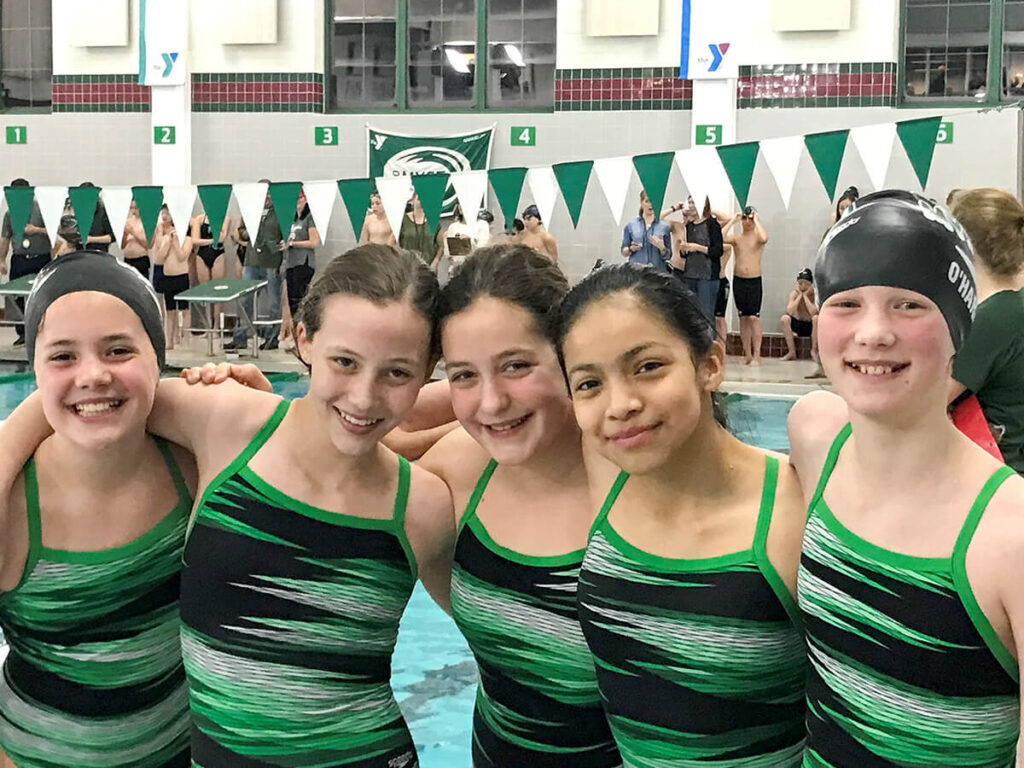
The Grimm Family Aquatics Center was added in 1994 and features 4- and 6-lane pools. Water temperature is kept at a cool 80 degrees. The aquatics center offers instructional, fitness, and recreational activities, including swim lessons, aqua fitness, a competitive swim team (MYST), lifeguarding, and CPR courses.
Sebring-Lewis Center added
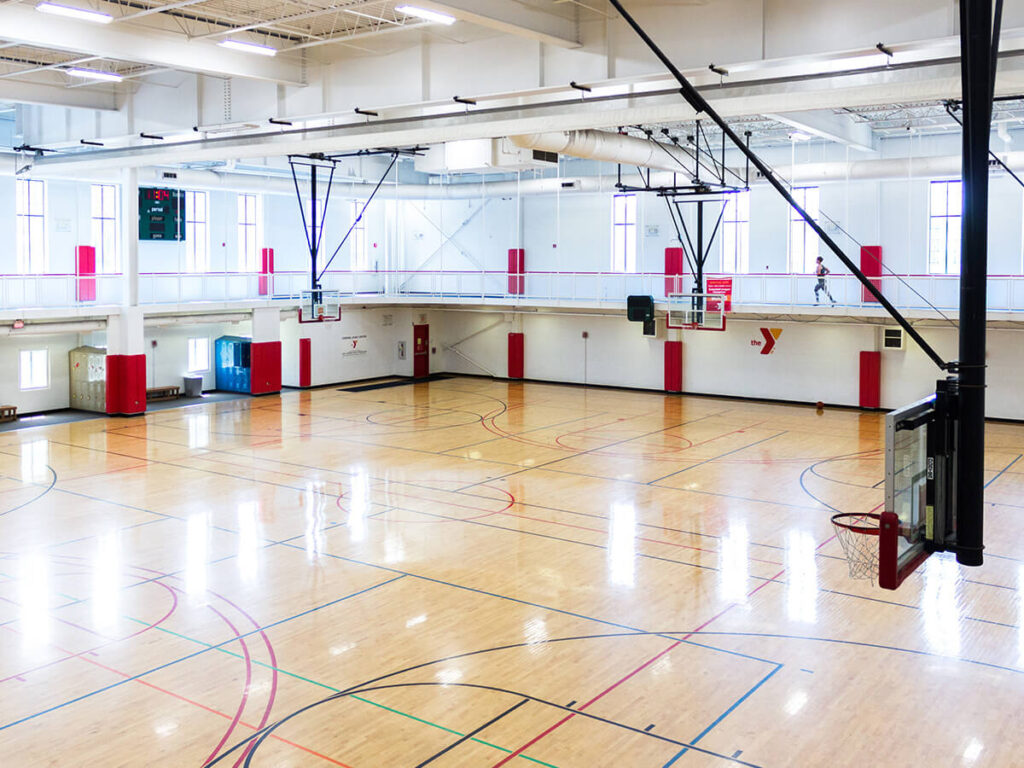
In July 2002 the McGaw YMCA facility expanded again with the completion of the Sebring-Lewis Center, which includes the 30,000-foot gymnasium, indoor running track and multi-purpose rooms.
MetaMedia Digital Studio and Maker Space opens
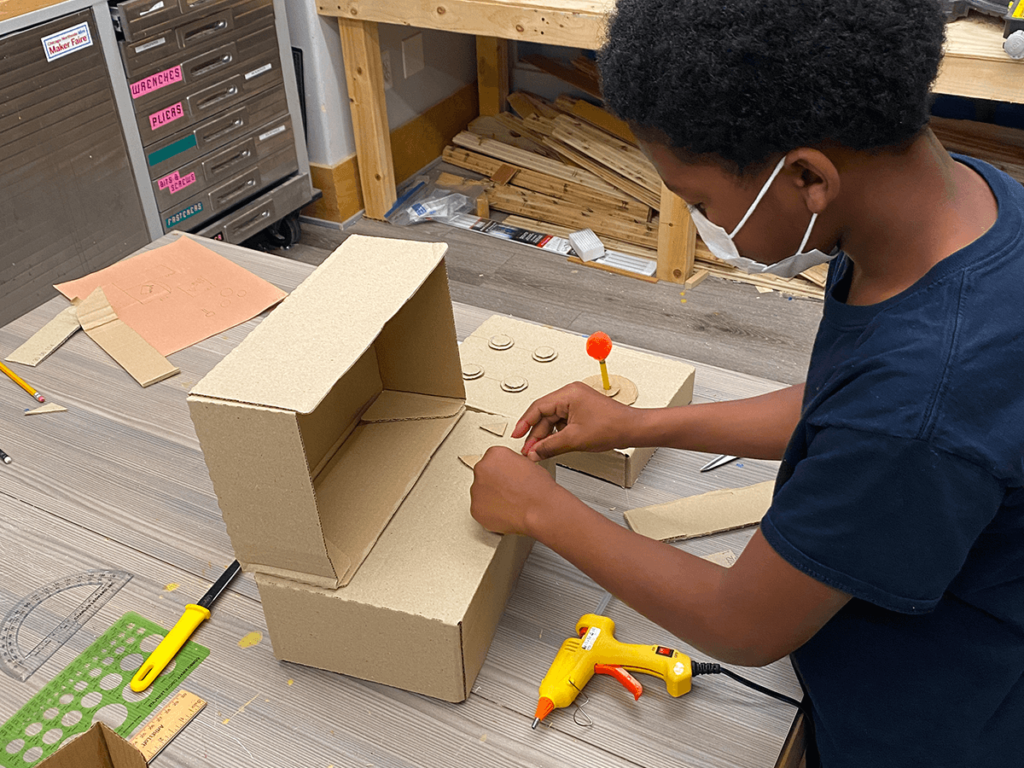
In 2015, McGaw Y opened MetaMedia, its cutting-edge digital media and maker space for middle school youth. Learn more about MetaMedia.
McGaw Y Satellite Location Opens in Family Focus Bldg.
In 2017, the Y opened a satellite location in the Family Focus building on Dewey Avenue in the 5th Ward for its Head Start, MetaMedia, and School’s Out Foster afterschool programs.
Men's Residence Renovation
Learn more about our Men's Residence Renovation Project.
Find your history. Find your Y
Founded in 1885, the McGaw YMCA is committed to learning from our past, listening to our present, and making changes that will advance racial justice, health, and healing, and create a feeling of being welcome for generations to come.





Acknowledging Past Harm
In the 1940s, the YMCA of the USA began calling for the desegregation of its facilities nationwide. In Evanston, this shift led to the integration of the YMCA in 1963 and, six years later, the closing of the Emerson Street Branch in 1969. Historian Dino Robinson documented this history of segregation and the Emerson Street Branch YMCA for the Shorefront Journal.
When the Emerson Street Y was closed, the Evanston YMCA did not publicly acknowledge the profound impact the branch had made over six decades in the lives of Black Evanstonians, and subsequently failed to acknowledge the related harm that was caused by the closing of the branch. While we—the McGaw YMCA—can’t undo the harms of this history or the ways in which our institution upheld white supremacist culture, we can and must acknowledge our past, take responsibility for the harm it perpetuated, and commit to shaping an anti-racist, multicultural YMCA where everyone can be, belong, and thrive.
In later years, efforts were made to honor the Emerson Street Y’s legacy. In 2010, McGaw YMCA celebrated its 125th anniversary by honoring the legacy of the Emerson Street Branch YMCA. The following year, community and civic leaders dedicated an honorary street sign at the site of the former branch, ensuring its memory would remain visible in the city’s landscape. That same year, McGaw YMCA partnered with filmmaker Susan Hope Engel to release, Unforgettable: Memories of the Emerson Street Branch YMCA. Through photographs and oral histories, the film preserves the story of Emerson’s 60-year influence—one that continues to resonate in the hearts of those who experienced it firsthand, as well as in the lessons carried forward for future generations.
Land Acknowledgement
Both the McGaw YMCA and McGaw YMCA Camp Echo occupy the ancestral, traditional and contemporary lands of the Three Fires Confederacy of Ojibwe, Odawa, and Potawatomi peoples. In Evanston, Illinois, the YMCA resides on land ceded in 1829. In Fremont, Michigan, Camp Echo resides on land ceded in 1836. We recognize the federally recognized Native Nations in Michigan and Illinois, historic Indigenous communities in both states, Indigenous individuals and communities who live here now, and those who were forcibly removed from their homelands. In offering this land acknowledgement, we affirm Indigenous sovereignty, history, and experiences.
Becoming an Anti-Racist, Multicultural YMCA
Building upon the learnings from our past, the McGaw YMCA will continue to make strides every day as we work to be a place of belonging for all people at every stage of life. We do this by acknowledging past harms and by creating equitable and inclusive programs and services that support our commitment to our mission while honoring both histories of the YMCAs in Evanston. We do this by removing barriers and working to eliminate systemic racism and oppression in all that we do.
The McGaw YMCA is committed to becoming an anti-racist, multicultural organization that intentionally leads and boldly models diverse and inclusive cultures that impact and strengthen the foundations of our community. While Evanston is a racially and ethnically diverse city overall, our community is still deeply segregated. We must actively work to address root causes of community trauma, including racism, housing and food insecurity, health inequities, and exposure to violence, among others. We will work each day to build an Evanston where all people, especially the young, will have the opportunity to thrive.